Landscape Gear
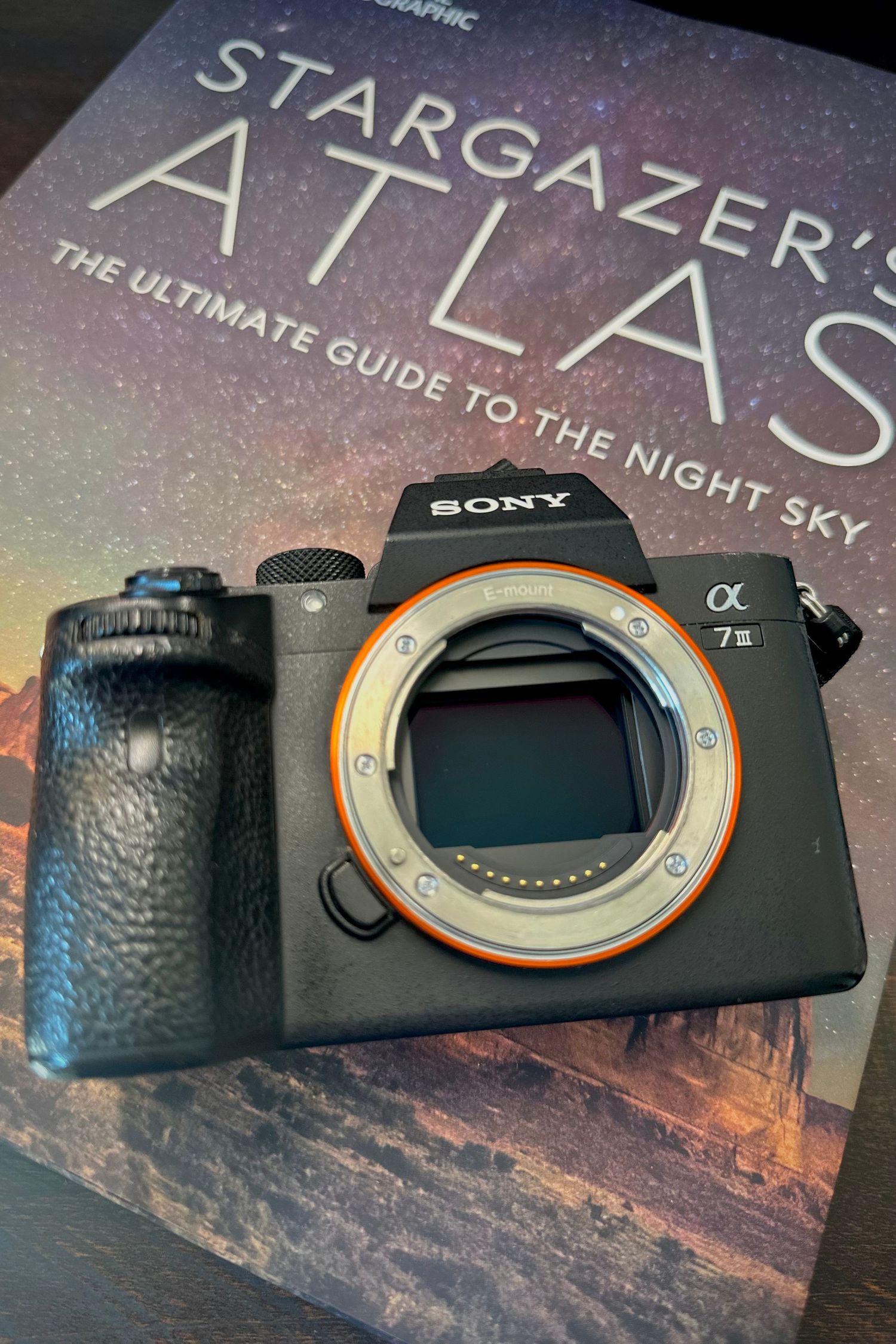
Camera - Sony α7III
Sony's Alpha 7 series of cameras are phenomenal low-light cameras that offer a full frame 24 mega pixel sensor. Paired with the Sony 24mm G Master f/1.4 lens, they are monsters when it comes to landscape images. The α7iii is also ISO invariant, meaning you can re-expose an underexposed image without introducing more noise.
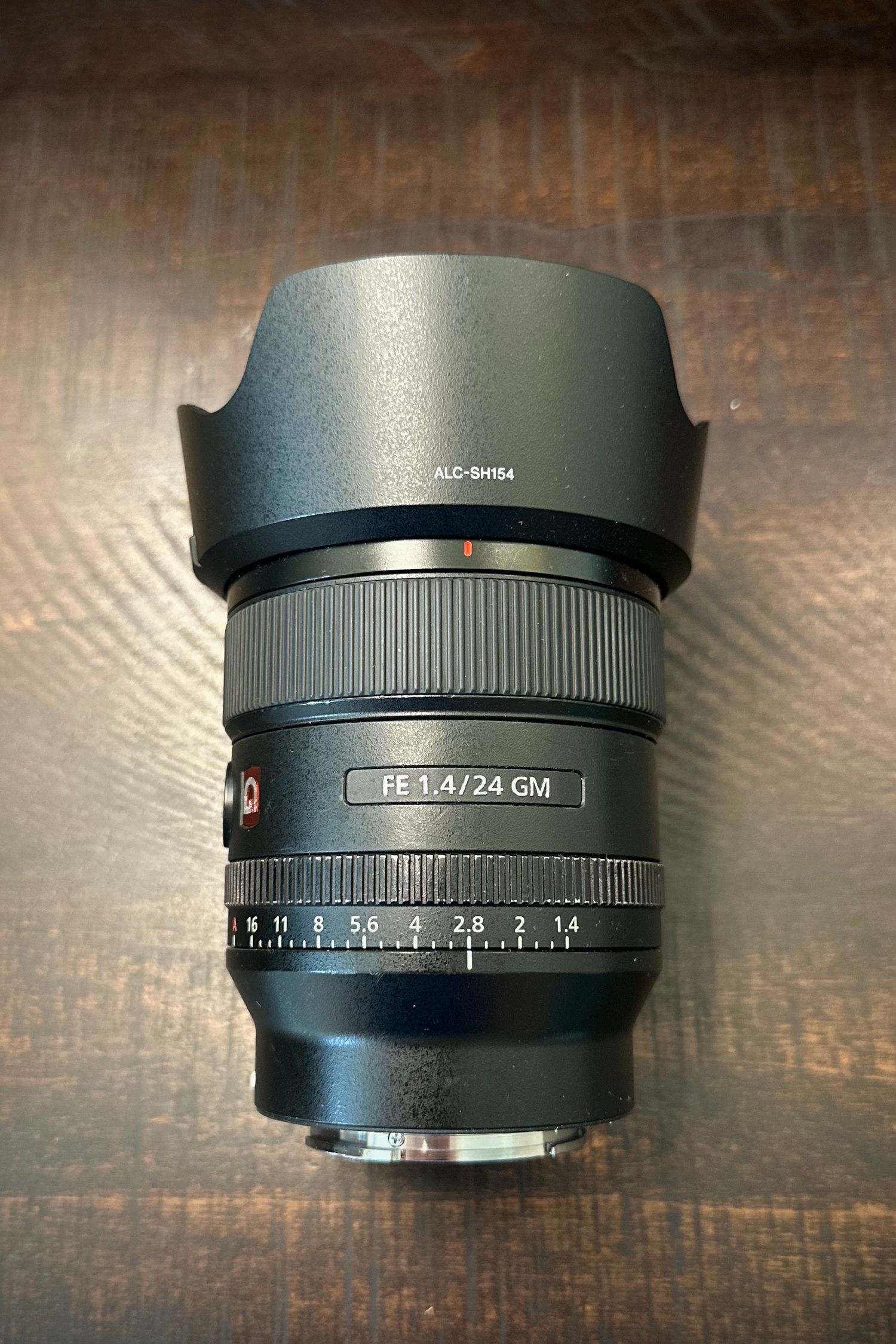
Lens - SONY 24mm f/1.4 GM
This is the year I upgraded my camera and lens. I am planning a trip to the Atacama Desert in Chile and wanted to have a full frame camera with an even faster f/1.4 focal ratio. The α7iii and 24mm G-Master do just that. Personal thoughts and recommendation will follow. So far it is incredible.
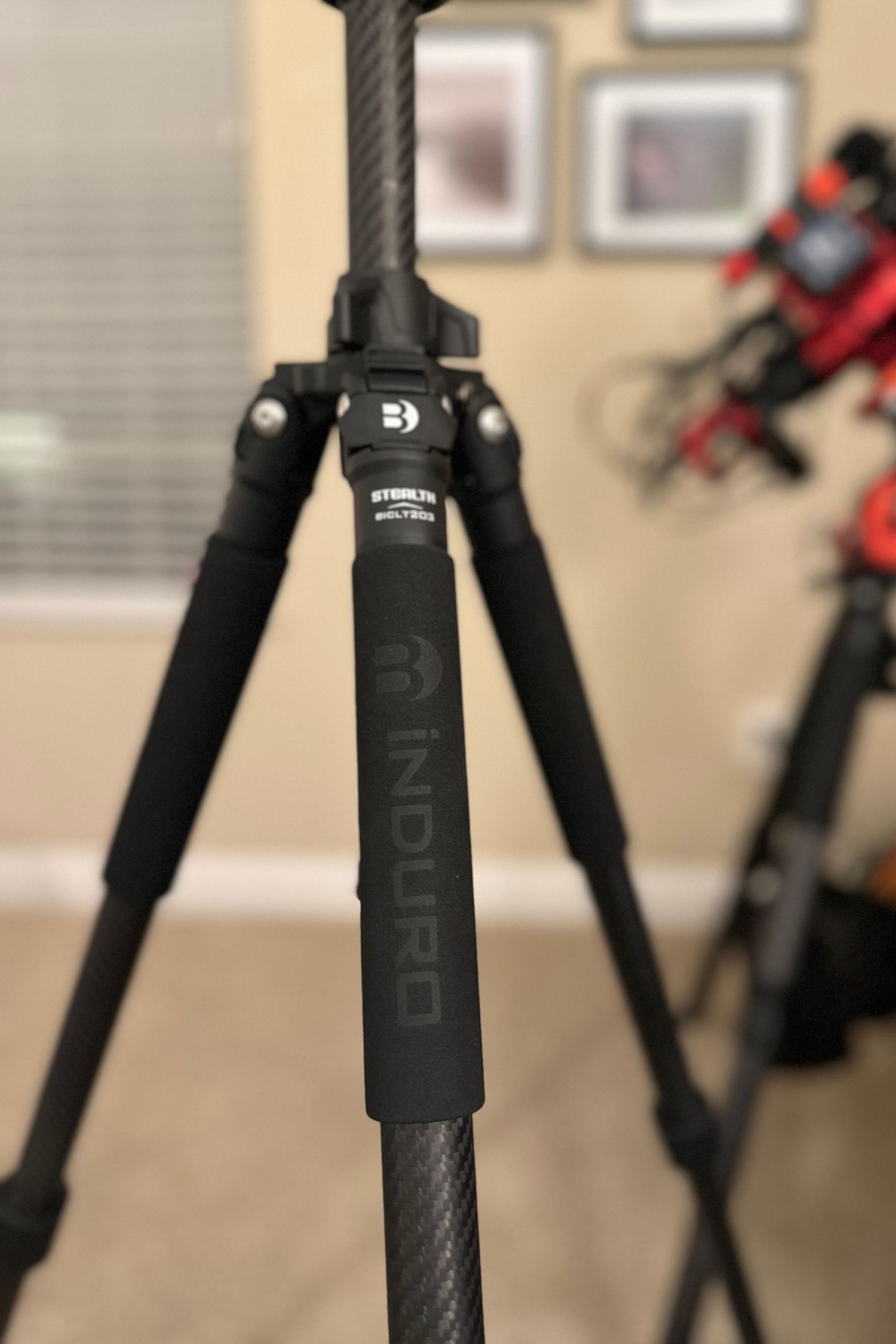
Tripod - Grand Turismo
Induro has made a sturdy carbon fiber tripod with adjustable legs that raise all the way up to 6' tall, making it ideal for getting the perfect height during landscape shots. My only recommendation is to attach a weight like sand bags to the central post to stabilize the setup during windy sessions... just a recommendation...
Wide-Field Deep Sky Gear
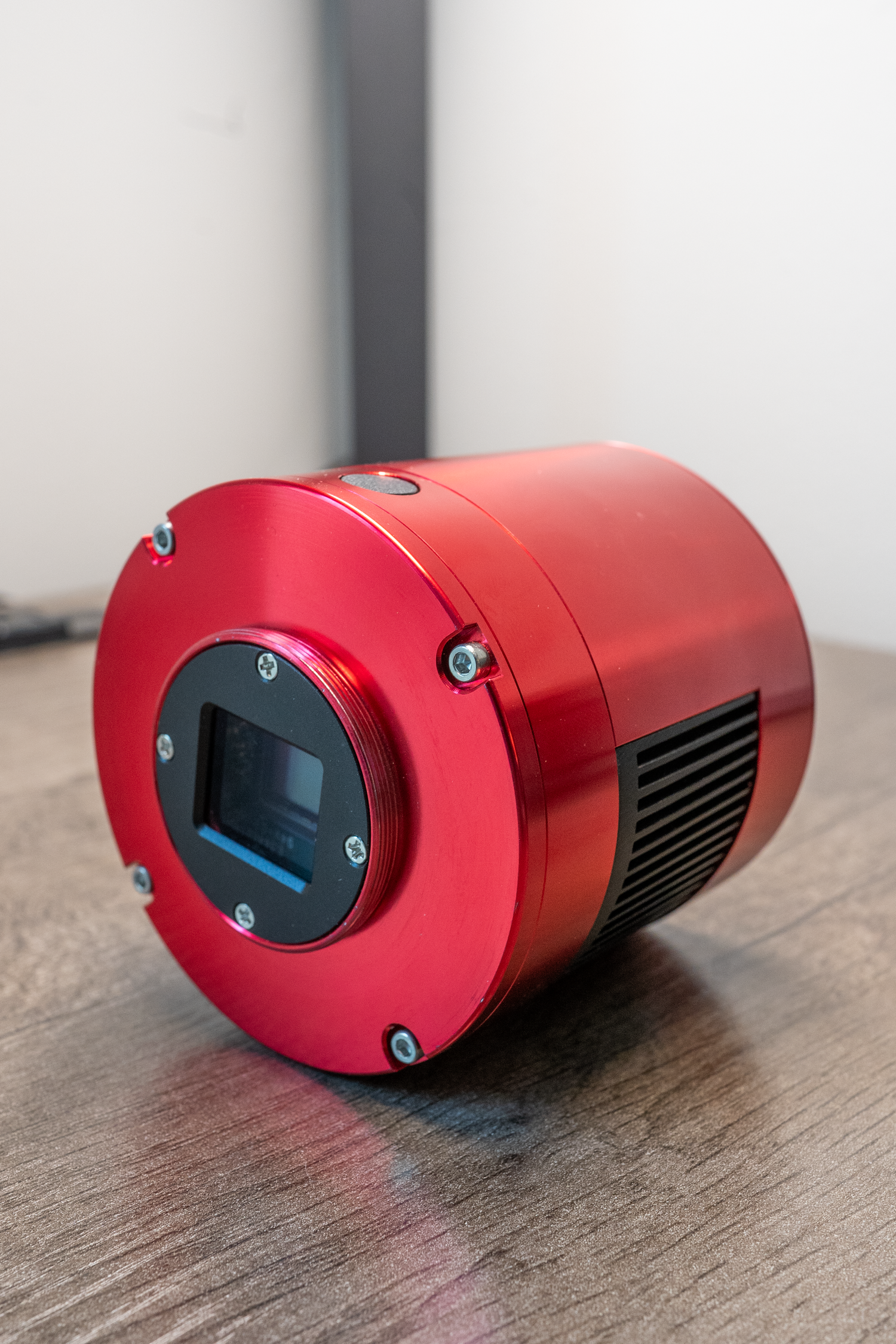
Camera - ZWO ASI183MM Pro
ZWO has developed a line of super-cooled cameras that have little thermal and readout noise. This helps keep the photos clean and crisp. The IMX183 is a crop sensor has a resolution of 5496 x 3672 and pairs extremely well with the RedCat 51 which has a native focal length of 250mm. It can be cooled down below -20°C, however it has one flaw which is the amp glow that is introduced. Overall it has served me well over the last few years and I would consider buying it again.
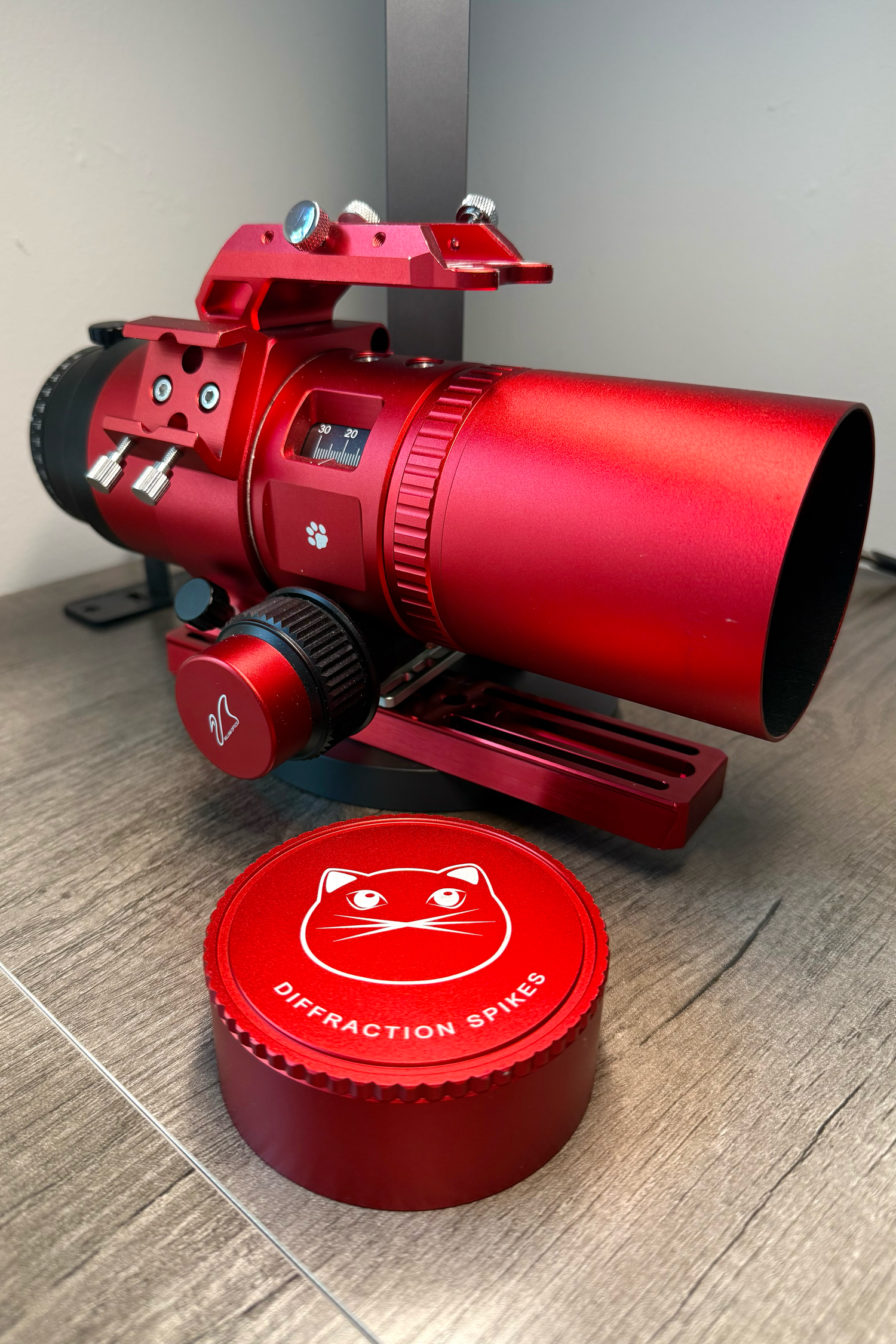
Scope - Williams Optics RedCat51 (gen 3)
The RedCat51 is a professional-grade refractor at an entry-level price. It showcases a WIFD focuser design and was created specifically for astrophotography. It cannot be used for visual observation.
Below I have more information about why this is a fantastic piece of gear for those who are really interested in taking astrophotography seriously.
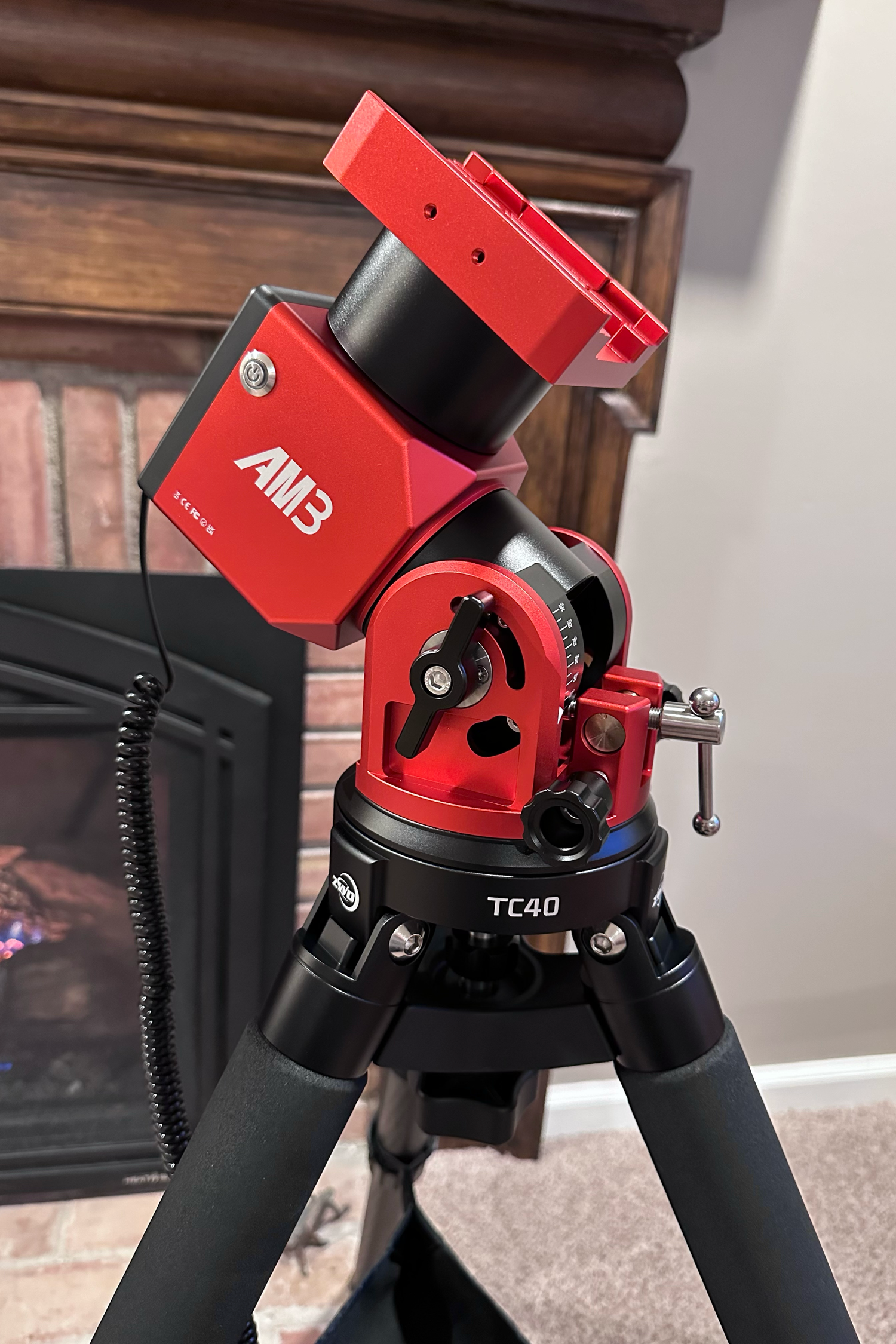
Tripod - ZWO AM3
The AM3 mount is a portable photographer's dream. At a featherweight 14 lbs you won't be lugging a huge equatorial behemoth around anymore. The strain-wave design allows the mount to work efficiently without the need for a counter weight, however to increase the already large 17.6lb payload capacity you can attach a counterweight to bring it up to 28.6lbs.
Why the RedCat 51?
William Optics has created something really impressive with their WIFD wide field refractor. The scope is a Petzval design with a focal length of 250mm and an aperture of 51mm. This means it has a quick f/4.9 focal ratio making it a light-gathering machine. It weighs in at 3.9 lbs and has the ability to attach a guide scope, filter wheel, and auto-focuser seamlessly.
The RedCat 51 has undergone 3 generations of changes. Instead of a continuing with a helical focuser like the first generation RedCat 51 had (shown left), WO chose to patent an internal focusing design that prevents any movement when removing or replacing the dust cap. This adjustment eliminated issues that arose with flat frames.
Wide-field telescopes allow beginners to make mistakes. With a shorter focal length, it gives room for errors that can arise from poor polar alignment, an unbalanced tripod, or even non-optimized guiding. This scope is here to serve.
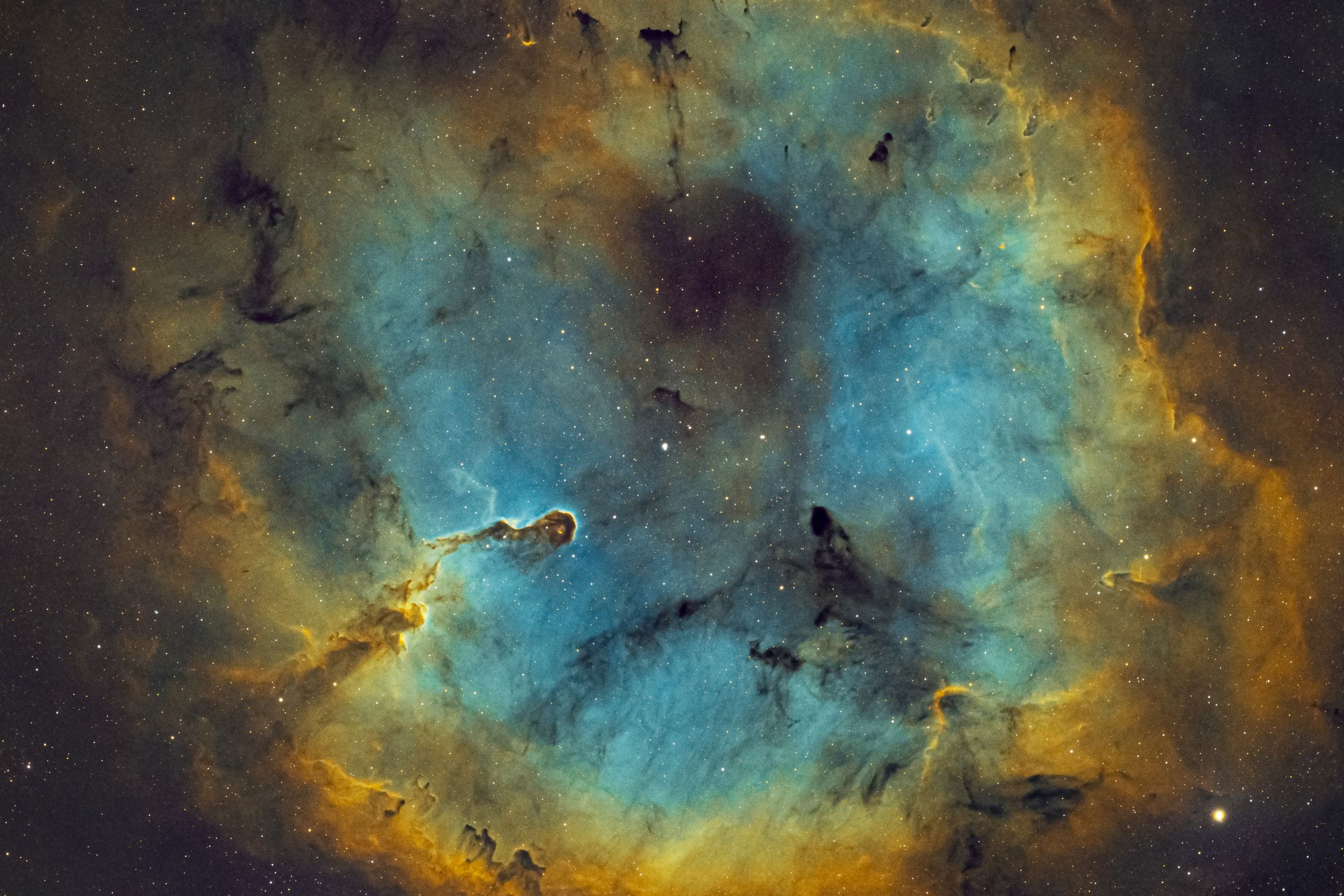
Elephant's Trunk Nebula Captured with the RedCat51 and ASI183MM Pro
Narrow-Field Deep Sky Gear
Planetary Gear