Chasing the Night Sky
Since 2020, I have been all over the US capturing landscape views and deep sky objects at some of the darkest, most remote sites. There is nothing more exiting than driving out to a dark sky site in a far away land and spending the night under the stars. Astrophotography is a journey and it has taken me years to perfect the craft.
My first astro-photo was taken of Mars at opposition with a Celestron NexStar 6SE. Looking back it was nothing to write home about, but in that moment it was special; it marked the beginning of the journey down the rabbit hole that is astrophotography.
If you have any questions about night photography or prints/canvases, feel free to reach out with the form at the bottom of this page. I'd love to chat and answer any questions you have!
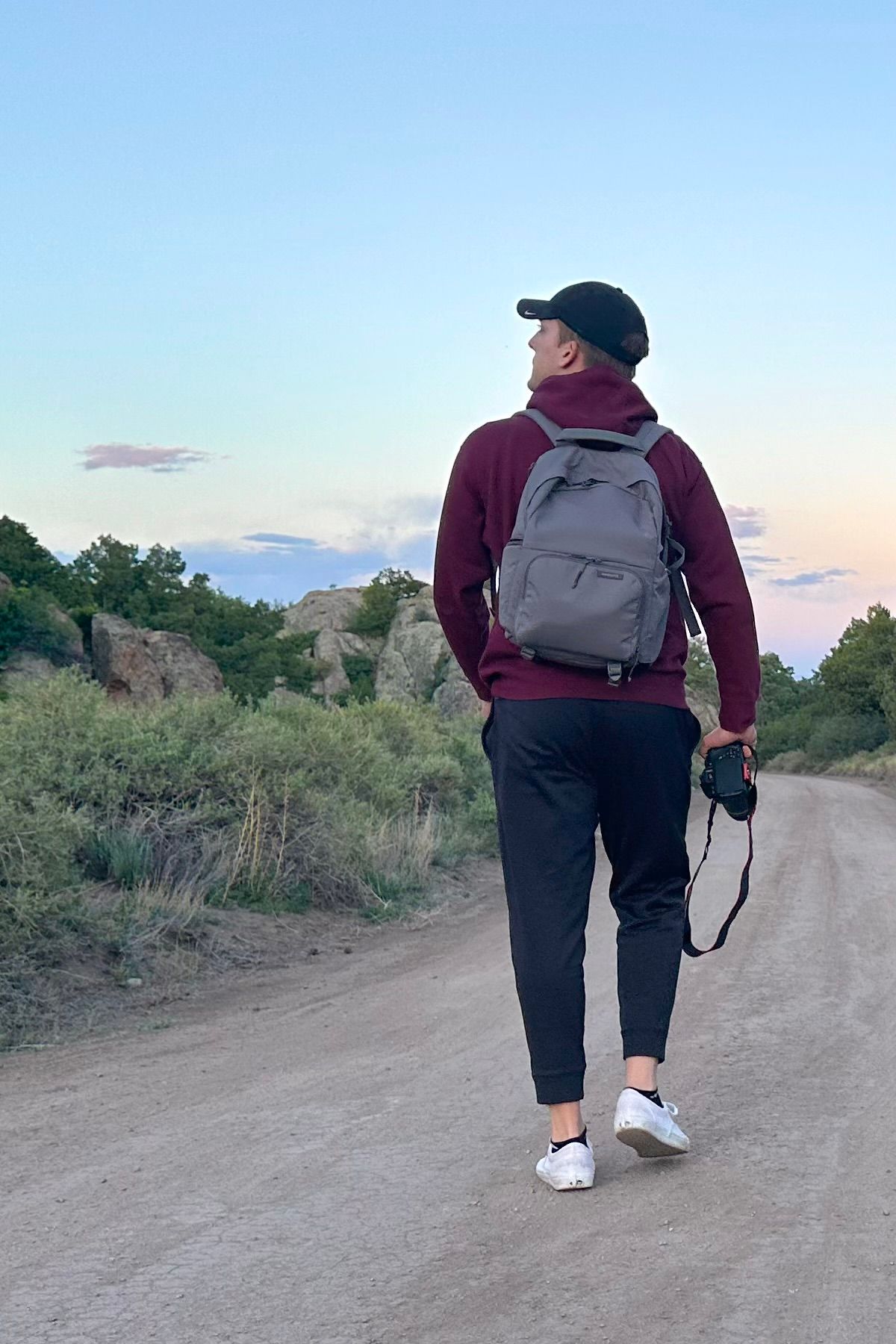
Scouting Penitente Canyon, CO before Sunset
Love for Science
I was born central Ohio and have always had a fascination with astronomy. After graduating from Ohio University with a bachelor's degree in Physics, I returned home only to be out of work due to the pandemic. Thankfully, I was lucky enough to land a contract job as a decontamination technician for a research and development company called Battelle. Time with Battelle would be instrumental in pushing me to show others what I love so much about the night sky.
Shipped Out
After 2 days of training, I was informed I would be flown out to work in El Paso, TX. The job consisted of working 12-hour shifts every day starting at 6 P.M. We worked through the night until the sun came up. Most nights were slow, giving me the chance to drive out into the remote desert. One night I grabbed a pair of binoculars and headed out in search of the comet C/2020 F3 (Neowise). I wanted to show the others what I saw, but had no way of capturing it.
Returning Home
My 42-day contract was finally complete and after flying back to Ohio I bought my first camera. I found a used Canon Rebel T5i body and attached it to back of my Celestron Nextstar 6SE. Mars was at opposition and I only had a single clear night to capture it. With little to no idea about what I was doing, I went for it. I was stunned at what I was able to see. There were regions of light orange and darker brown. I needed to see what else was out there. I was captivated and needed to see more.
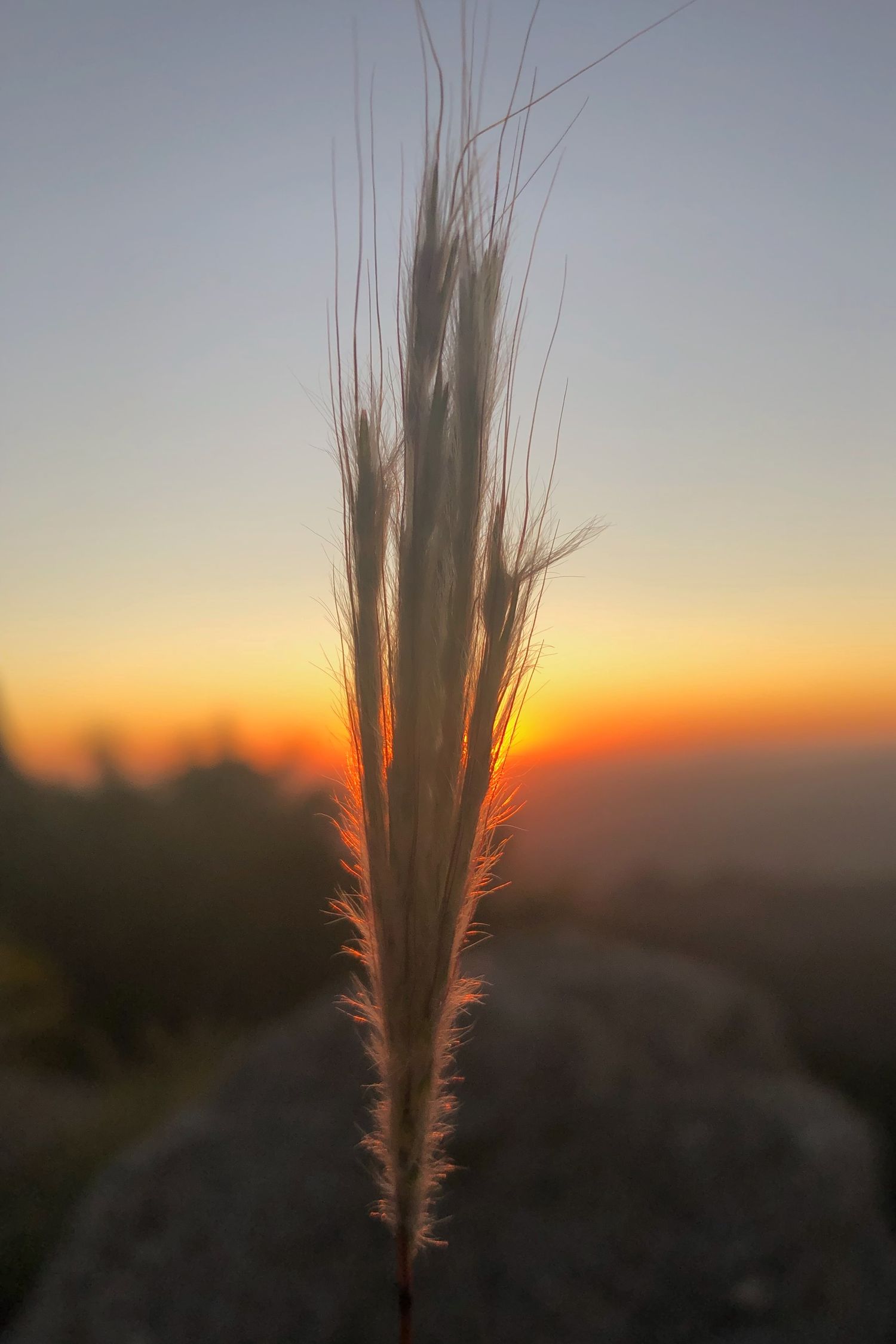
Sunset behind Desert Wheat Grass on top of Kitt Peak, AZ
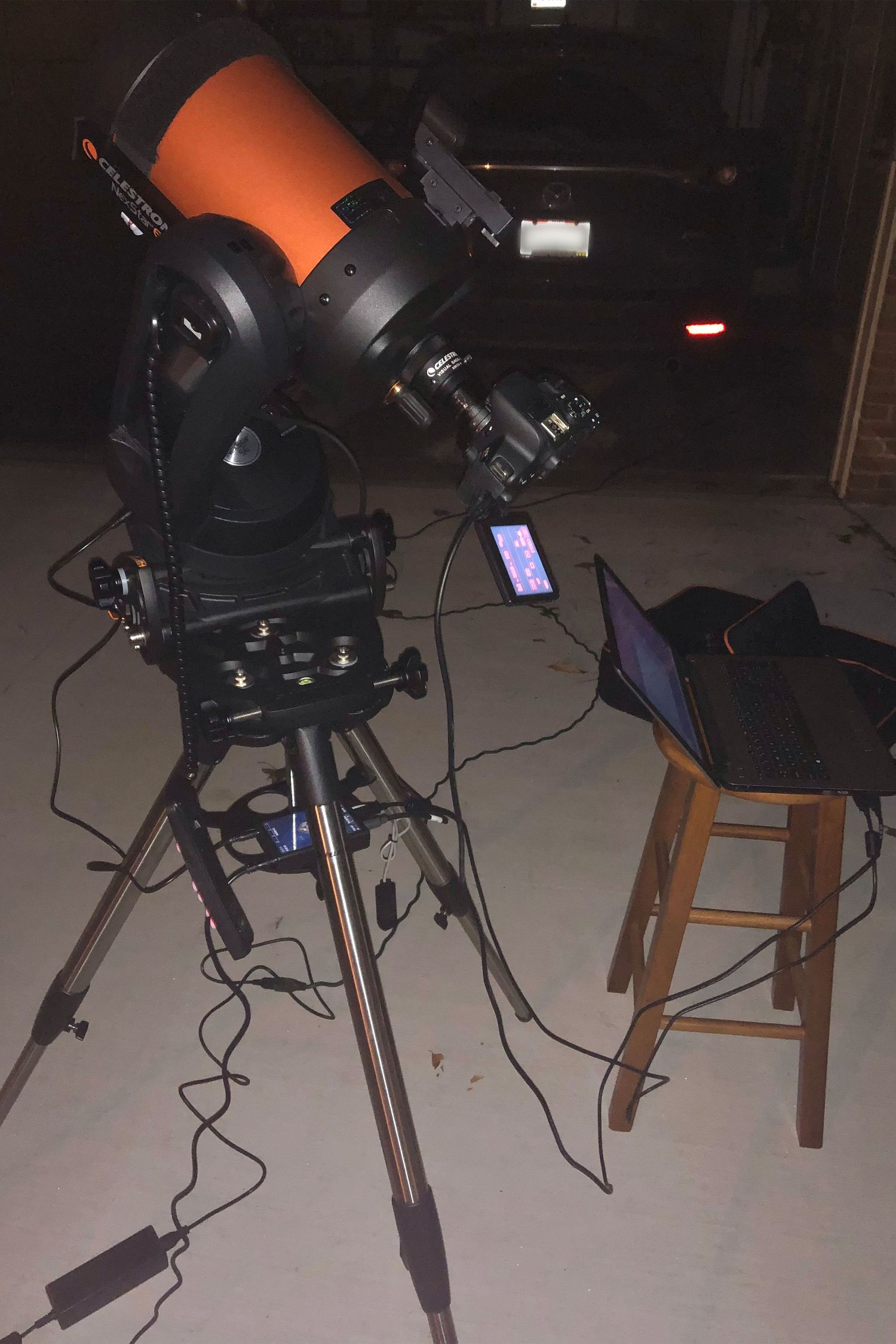
My First Setup: A Canon EOS 700D attached to a Celestron Nexstar 6SE
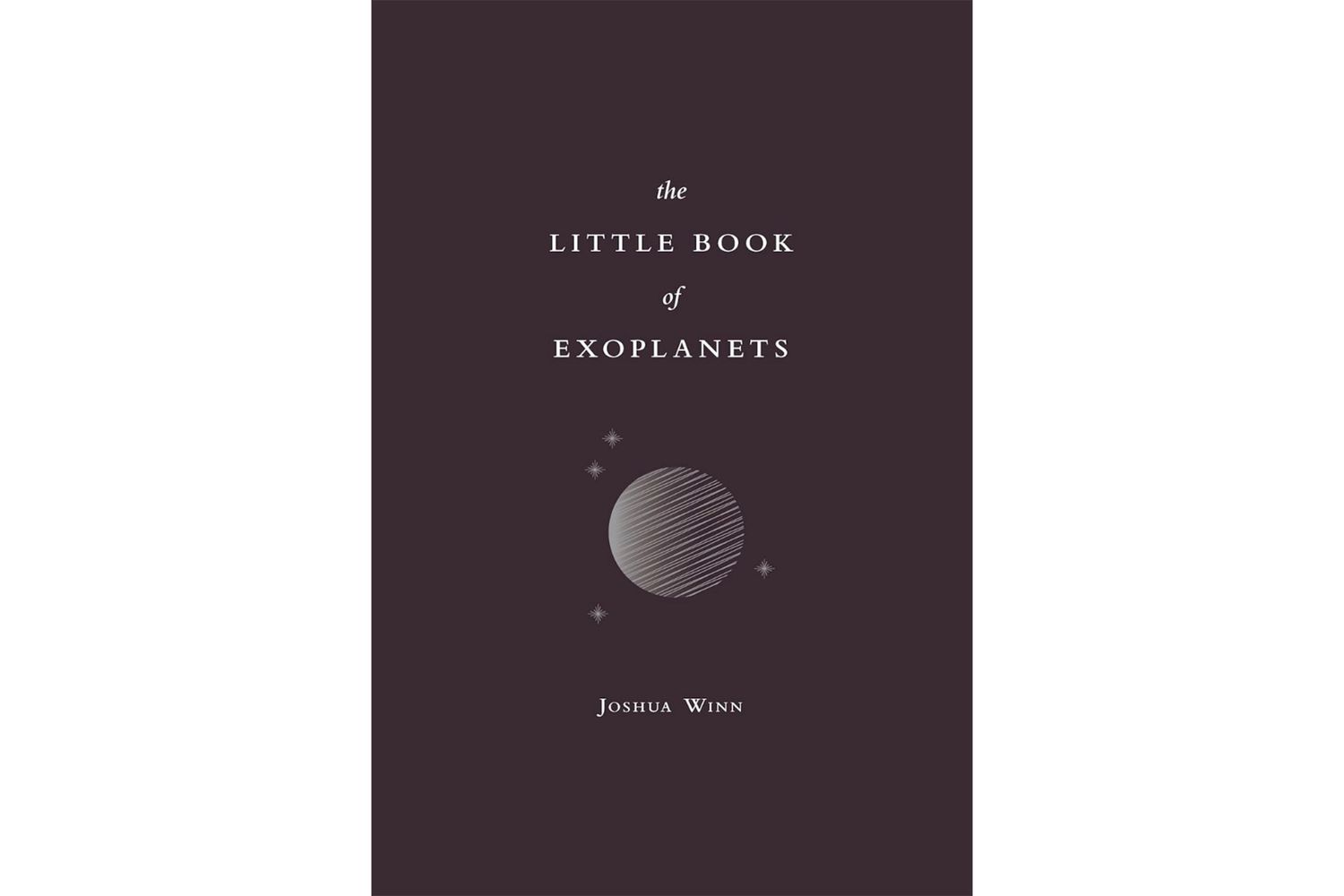
Current Read:
The Little Book of Exoplanets takes you through Dr. Joshua Winn's experience as an astronomer studying exoplanets. He takes a more casual approach to the subject, beginning with a story of him sitting on his grandfathers Impala in the middle of the desert as he gazes up at the stars and wonders what other planets exist far out in space. So far this book is softer on the complexity of astrophysics, and has a more relaxed nature to it.
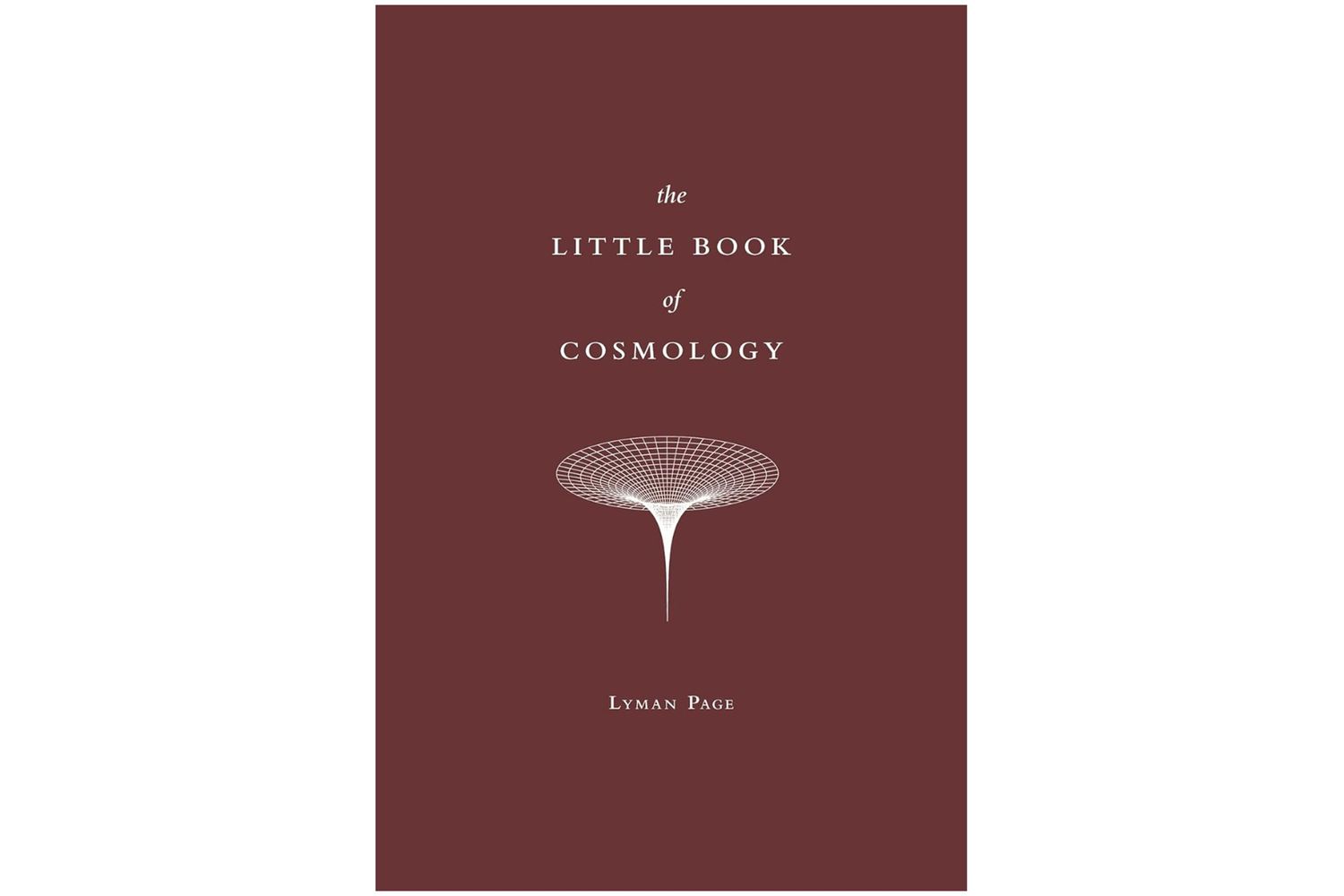
Previous Read:
The Little Book of Cosmology is a bite-sized book about astrophotography and how it has helped us understand the nature of the universe. At only 110 pages it is a quick read with a focus on data from the Cosmic Microwave Background. I enjoyed it, but recommend it for those who are comfortable reading about the technical aspects of cosmology.